The Tokyo neighborhoods the guidebooks skip
Most first-time visitors spend their whole trip inside a triangle drawn between Shibuya, Shinjuku, and Asakusa, and it's not a bad triangle — the crossing, the neon, the temple gate are all genuinely worth seeing. But Tokyo's most interesting neighborhoods tend to sit just outside it, reachable by the same trains for the same fare.
Yanaka, in the city's northeast, is one of the few parts of Tokyo that survived both the 1923 Great Kanto earthquake and the firebombing of 1945 largely intact, which means its narrow lanes still run past wooden machiya houses, small Buddhist temples, and a hillside cemetery where local cats outnumber tourists by a wide margin. There's no single sight to see — the appeal is the texture of a Tokyo that existed before the postwar rebuild, still standing and still lived in.
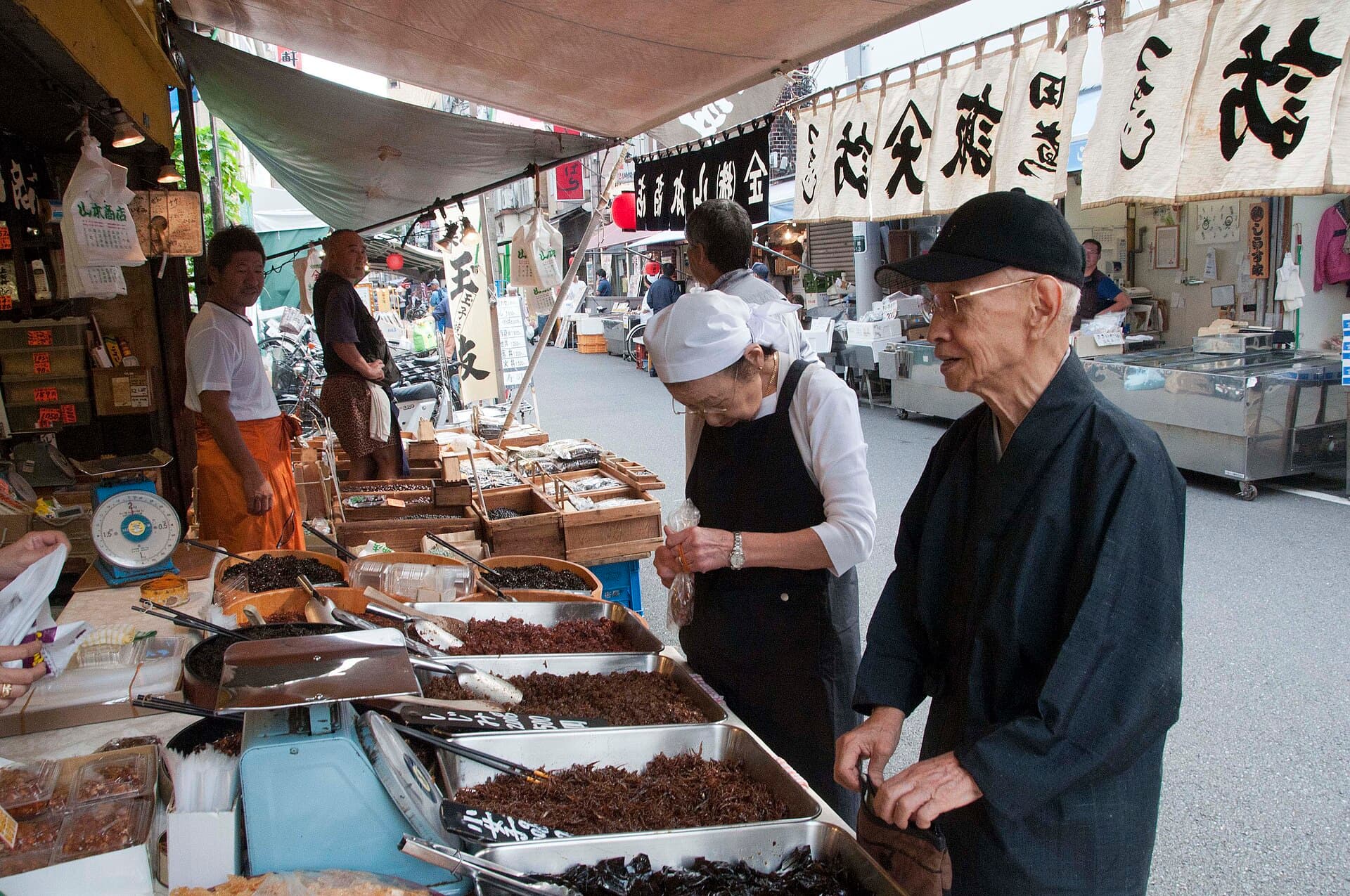
Tsukiji tells a different but related story. The wholesale fish auctions moved to a newer facility in Toyosu in 2018, and every guidebook published since has dutifully noted the closure — but the outer market never closed. The same narrow lanes of knife shops, dried-fish stalls, and standing-room sushi counters that fed generations of Tokyo chefs are still running at full volume every morning, just without the tuna auction as a backdrop.
Between the two, Nezu Shrine is easy to miss and worth the detour: a compound of vermillion torii gates on a smaller, quieter scale than Fushimi Inari, usually with a handful of visitors rather than a crowd, and framed by azaleas that bloom in a short, spectacular window each April.
None of this requires giving up the classic sights — Shibuya at night is still worth seeing exactly once. But building a day around Yanaka and Tsukiji instead shows a Tokyo that moves at a different speed, and one that most visitors never get around to finding.
Compare flights
Search right here — no redirect, no hidden markups.