Beyond the beach clubs: a quieter Bali in Ubud
Most first-time visitors land in Bali and head straight for the coast — Canggu's surf breaks, Seminyak's beach clubs, Uluwatu's cliffside sunsets. All worth doing. But an hour inland, Ubud runs on an entirely different rhythm, one built around rice, ritual, and quiet.
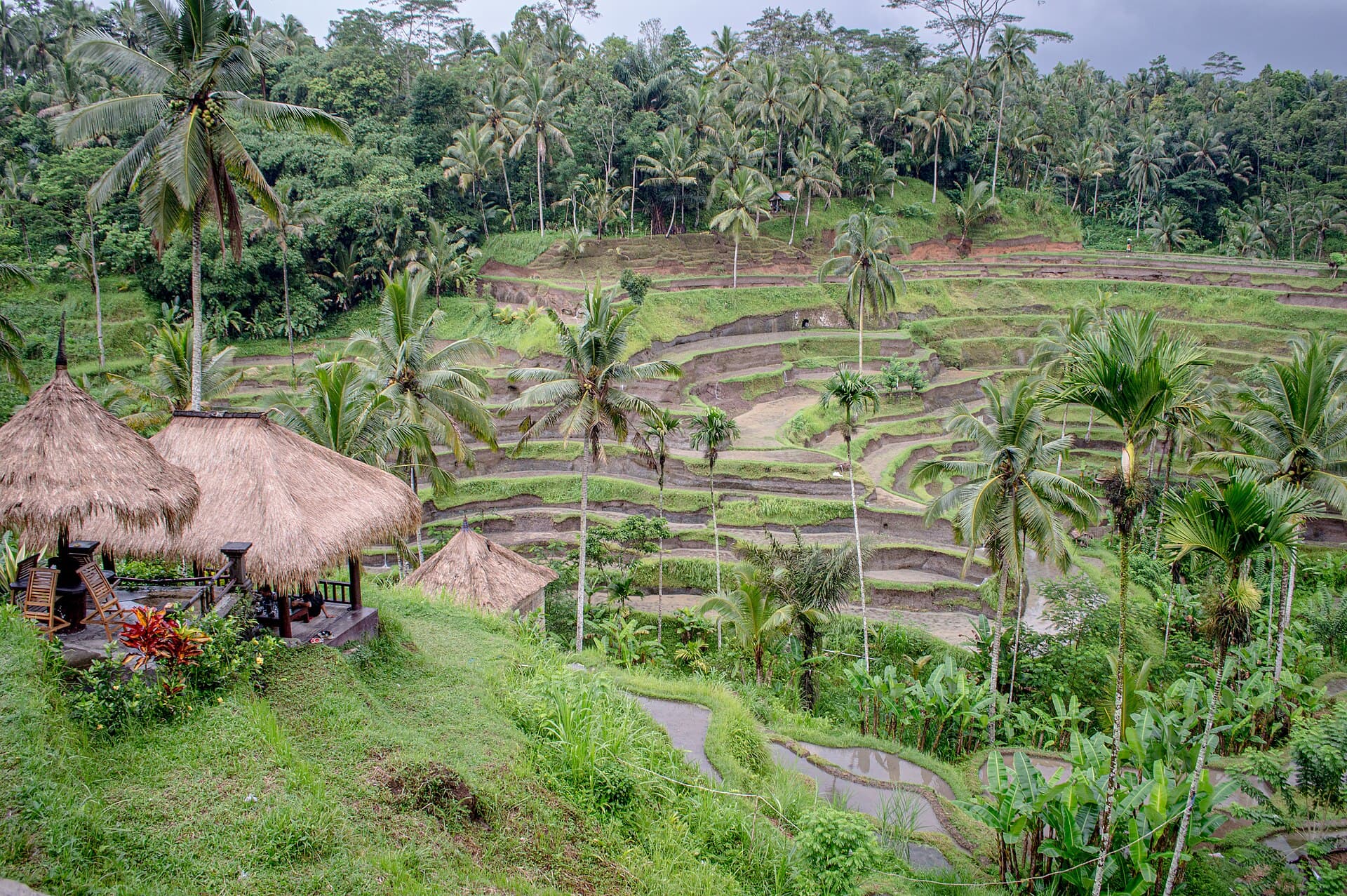
Start early, before the terraces at Tegallalang fill with tour buses. The stepped paddies here are the product of subak, a communal irrigation system that's been managing water flow across these hillsides for close to a thousand years and is recognized by UNESCO for exactly that reason. Walk the narrow dirt paths between the paddies rather than just photographing from the road-side cafés — a small donation to the farmers maintaining the trails is customary and appreciated.
Back in central Ubud, the Sacred Monkey Forest is worth an hour, less for the macaques (though there are several hundred of them) than for the three temples inside, dating to the 14th century and still active places of worship, not museum pieces. Time your visit for morning, when the canely light through the forest canopy is at its best and before the afternoon tour groups arrive.
The Campuhan Ridge Walk, just outside the town center, is Ubud's best free activity: a paved path along a grassy ridgeline with views over two river valleys, easy enough for anyone and best done at sunrise, both for the light and to beat the heat that sets in by mid-morning.
What separates Ubud from the coast isn't just geography — it's pace. Balinese Hindu daily life is visible everywhere here: small woven offerings, canang sari, placed on doorsteps and shrines each morning; incense smoke drifting from family temple compounds; processions that simply have the right of way, no matter what else is happening on the road. Slow down to match it, and Ubud gives you a version of Bali that has very little to do with a beach club.
Compare flights
Search right here — no redirect, no hidden markups.