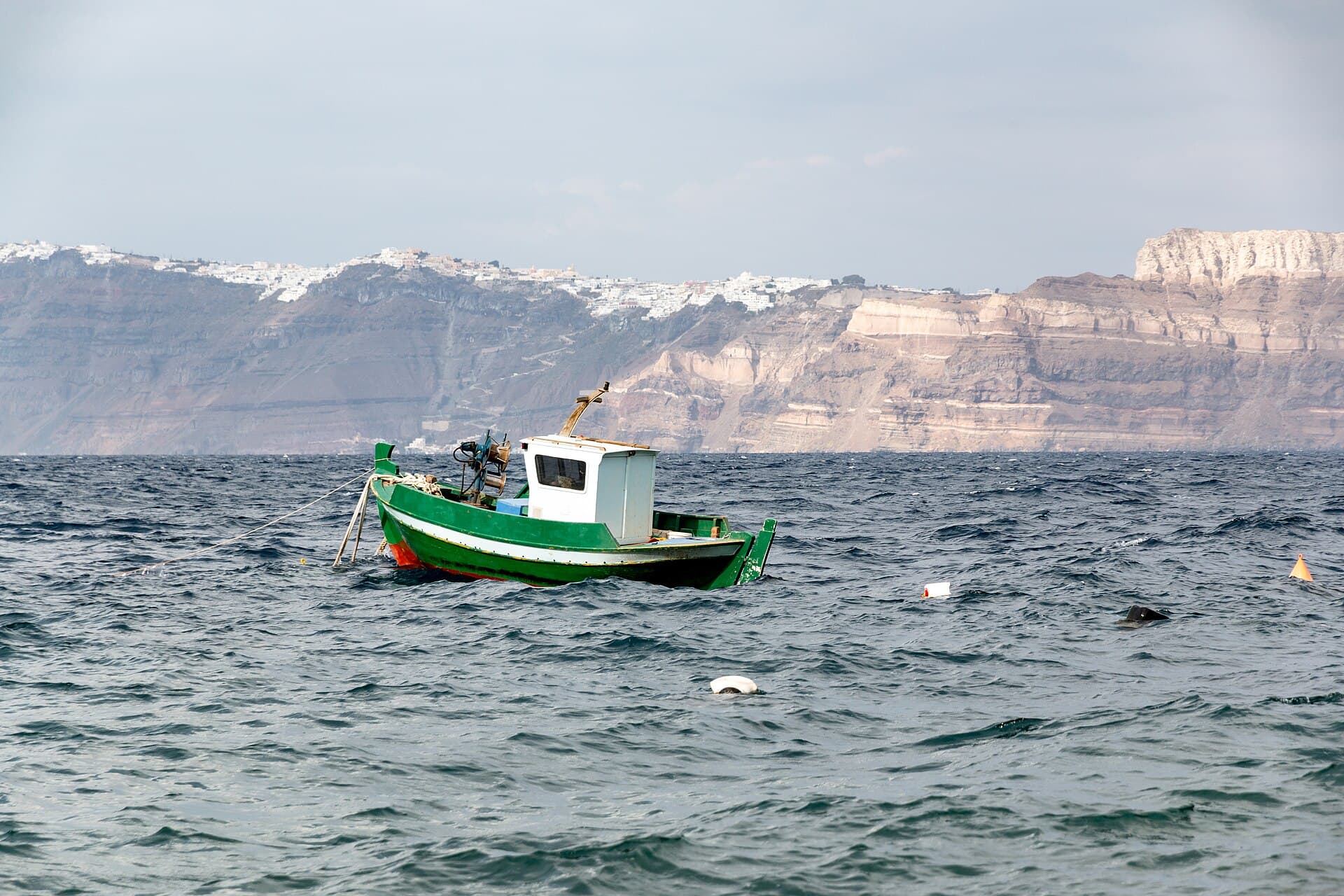
Santorini
Greece · A volcanic caldera rim lined in whitewash and blue
Santorini's iconic look — white cube houses, blue-domed churches, cliffside paths — is a direct result of geology. The island is the rim of a volcanic caldera that collapsed in a massive eruption around 1600 BCE, leaving the crescent shape and sheer cliffs that define the coastline today.
Fira and Oia draw the crowds for sunset, but the island's less-photographed side — the black-sand beaches, inland wine villages, and the archaeological site at Akrotiri — is where Santorini feels less like a backdrop and more like a place.
Highlights
Late April to early June or September to October — swimmable sea, milder heat, and far fewer cruise-ship crowds than July–August.
Santorini Airport (JTR) has direct seasonal flights from major European hubs, or take an overnight ferry from Athens' Piraeus port.
Compare flights
Search right here — handy for a trip to Santorini.